
Research Focus and Projects
Centre for Youth Bipolar Disorder | CAMH Research
- Research Focus and Projects
Research at CYBD
A fundamental and distinguishing feature of CYBD is its focus on integrating the mind, brain and heart. This focus on the bipolar-vascular connection offers patients and families hope for a future where the causes of youth bipolar disorder are better understood, novel treatment options are available and stigma is diminished.


CYBD Descriptive Clinical Studies
Although knowledge regarding youth bipolar disorder has expanded greatly over the past 20 years, many gaps remain. Descriptive clinical studies can provide valuable directions for future research, including research on prevention and intervention strategies. Thus far, we have gained insight into several important topics specific to youth with bipolar disorder. Some examples include:
- Common reasons for police contact among youth with bipolar disorder include shoplifting/theft and suicidality or self-harm behaviours.
- Anhedonia, or inability to experience pleasure, is a core symptom of depression. Severe anhedonia in youth with bipolar disorder is very common and is associated with female sex, increased mania severity, higher rates of anxiety disorders, and lower use of second-generation antipsychotics.
- Youth with bipolar disorder who come from households with lower socioeconomic status have higher rates of post-traumatic stress disorder, higher legal risk, and under-treatment of ADHD.
- We also know that bipolar disorder runs in families and cardiovascular problems appear to be highest among relatives of teens with bipolar disorder and/or a family history of bipolar disorder, suggesting that the genetic risks for bipolar disorder and cardiovascular problems may be related.
CYBD Novel Intervention Studies
Even with the best available treatments, many youth with bipolar disorder experience impairing mood symptoms as well as other psychiatric symptoms. At CYBD, one of our goals is to help usher in new interventions that can improve upon currently available approaches. Thus far, we have focused on both therapy and pharmacological approaches. These DBT studies are enrolling youth with bipolar disorder, or at familial risk for bipolar disorder, from across Ontario.
Dialectical Behavior Therapy (DBT) is a skills-based therapy that aims to help people manage intense emotions, reduce suicidality and problem behaviours, and increase skillful coping approaches. We are working toward advances in DBT, investigating individual-level factors that predict DBT effectiveness. We are also working toward personalized approaches to DBT. Standard DBT involves weekly sessions for a year and has mainly focused on youth with severe symptoms. But for some youth, especially those with more moderate symptoms, fewer DBT sessions may be helpful. We are studying a novel multi-level DBT-informed treatment approach, in which the “dosing” or intensity of treatment will be dependent upon individual risk factors, emotional dysregulation and/or patient preference. This study aims to expand the scope, accessibility, and adaptability of DBT for youth with bipolar disorder.

CYBD Translational Studies
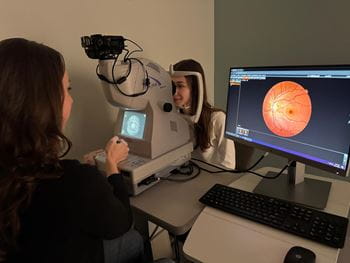
“Translational” research is the bridge between basic science research and clinical research. Such approaches typically link important clinical topics with novel objective scientific approaches (e.g. imaging, blood tests, genetics). Studies focusing on brain imaging and imaging of blood vessels and blood flow (e.g., eyes, heart) helps us understand important links between the brain and body. Our recent work has found that cardiovascular risk factors (e.g. blood pressure, obesity, cholesterol) are associated with poorer neurocognition (i.e. mental flexibility, impulsivity) and smaller brain structure in youth with bipolar disorder. While these associations are expected in late life, our work has shown that these heart-brain links are already evident in youth with bipolar disorder. Our team uses imaging approaches to examine tiny blood vessels in the retina of the eye. These tiny vessels are closely related to brain vessels and provide insights about what may be causing bipolar disorder. Another recent study found that cannabis use among youth with bipolar disorder is associated with differences in regional brain structure, and we are moving toward understanding the connection between cannabis and brain circuits using additional imaging approaches.
VIBE Study |
 |
